Good food photography doesn’t just show food. It makes people hungry.
 Get on WhatsApp
New image & Video workflow everyday
Get on WhatsApp
New image & Video workflow everyday
And the gap between a flat, forgettable food photo and one that stops a scroll is almost never the food itself. It’s the light, the angle, the background, the mood — every visual decision that happens around the dish.
Traditionally, getting all of that right means a professional setup: a photographer, studio lighting, styled props, and a budget that justifies all of it. If you have the time, access, and money, go for it. The results speak for themselves.
But if that feels overwhelming, this blog is for you.
We use AI food photography to turn a basic food photo into a styled, professional-looking image. All you do is, upload your dish, describe the setting through a prompt, and the AI builds the whole scene around it.
This blog covers the prompts you need, plus tips that’ll make you confident enough to write your own. Every prompt in this list is built to produce results that are:
✓ Realistic
✓ Beautiful
✓ Ready to repurpose across menus, social media, and campaigns
Below: 13 copy-paste ready AI prompts for food photography across different backgrounds, plus what makes a food prompt actually work.
13 Creative Food Photography Prompts
Below are 13 prompts built using the structure you explained:
Background + Surface + Lighting + Angle + Props
Each prompt is generic enough to work with any dish while producing realistic commercial food photography.
CATEGORY: DESSERTS
Prompt 1: Cupcake in clouds:
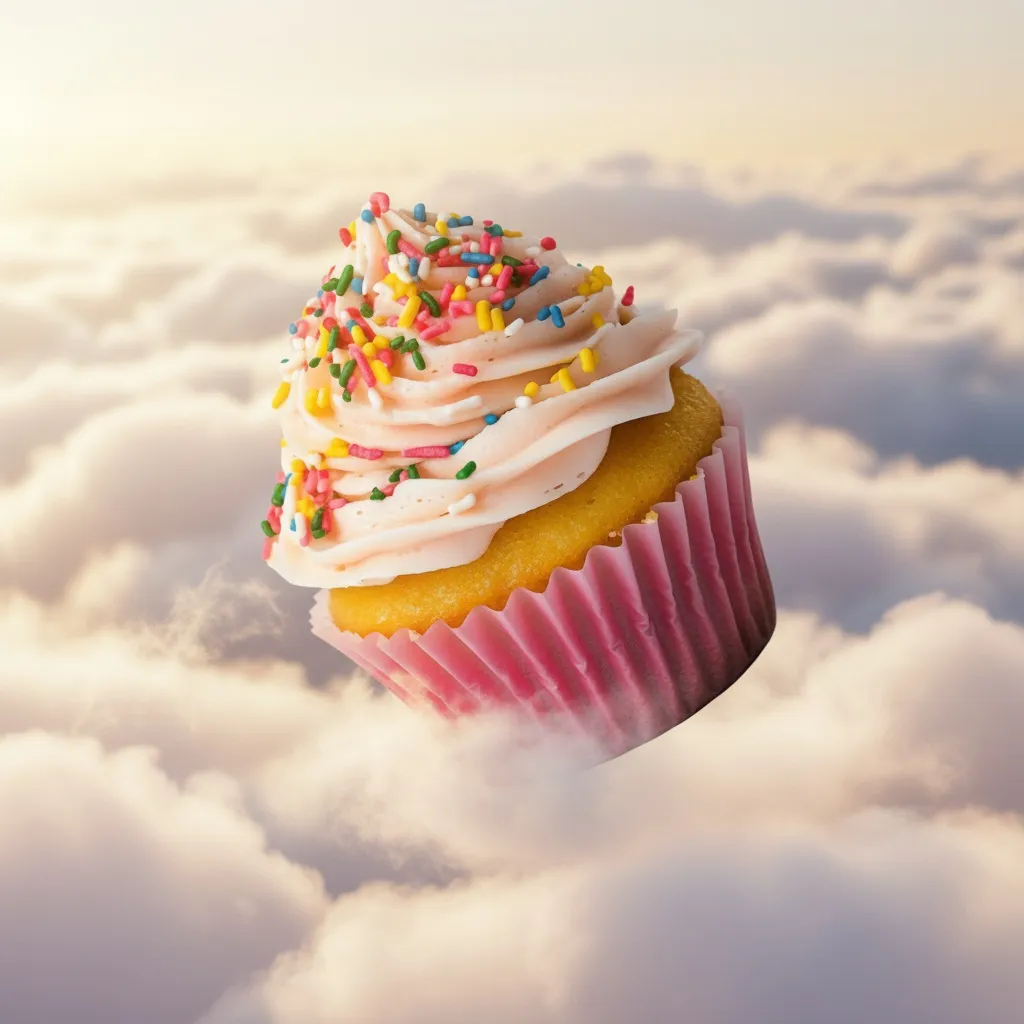
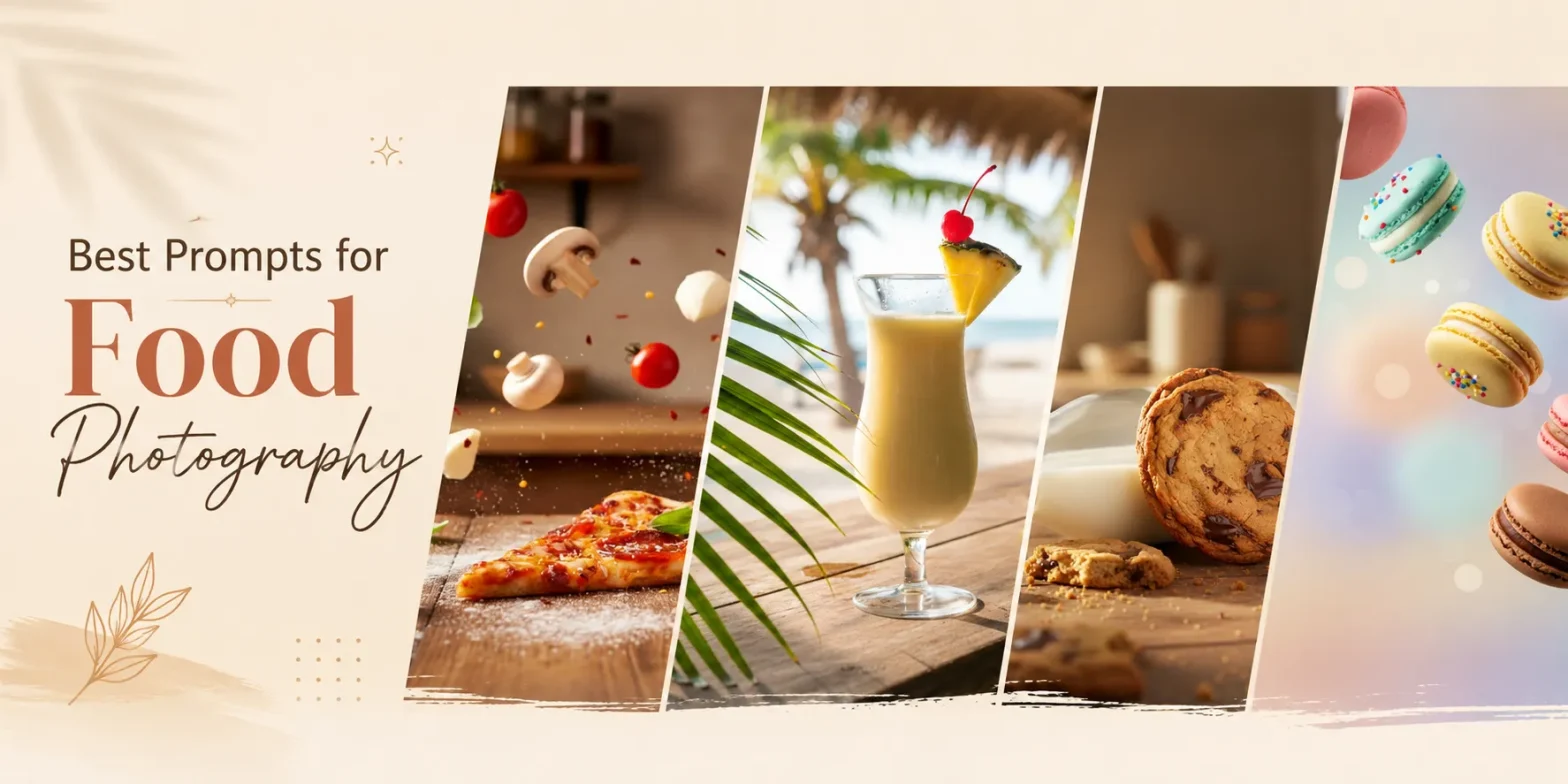
Use the uploaded dessert as the exact subject. Tilt it 30 degrees and place it floating above soft white and pink clouds during golden sunrise. there should be some clouds overlapping the bottom left of the cupcake. The clouds remain softly blurred in the background so the dessert stays the center of attention. Warm sunlight wraps naturally around the frosting, creating realistic highlights and shadows. Capture using a Canon EOS R5, 85mm macro lens, f/2, shallow depth of field, creamy DSLR bokeh, ultra-photorealistic food photography, hyper-detailed textures, commercial dessert advertisement.
Prompt 2: Macarons in explosion:
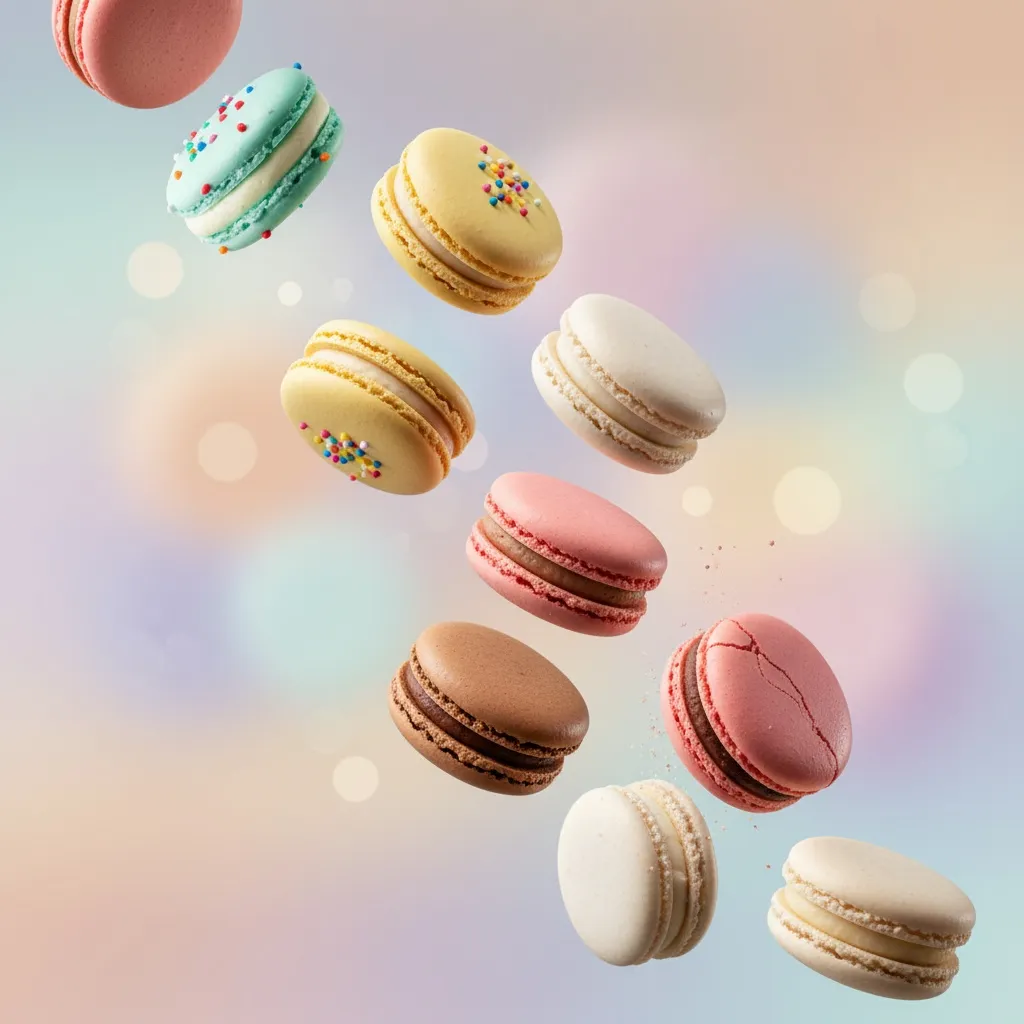
Use the uploaded macarons as the exact subject, preserving every detail while maintaining accurate pastel colors like pink, yellow, green, brown, white, and cream; arrange them in a floating mid-air composition with natural spacing and slight drifting motion for elegance and depth. Create a luxury cinematic food photography scene with a fully blurred colorful pastel background made of smooth gradients in peach, lavender, mint, soft yellow, and sky blue, blended softly with no harsh edges, enhanced by diffused bokeh light orbs in the distance for a dreamy premium atmosphere while keeping full focus on the macarons. Use soft professional studio lighting with a large diffused key light from the upper left to create gentle highlights and smooth shading on each macaron, plus a subtle rim light from the right for separation, with soft natural shadows under each piece to maintain realism. Camera setup: Canon EOS R5, 85mm macro lens, f/2.8 aperture, shallow depth of field with sharp focus on the macarons and creamy blurred background. Composition should follow a diagonal flow from top-left to bottom-right for visual movement. Add subtle floating sugar dust particles and minimal crumbs near the cracked macaron for realism. Ultra-realistic luxury dessert advertising photography, editorial food styling, cinematic pastel tones, soft bokeh, high detail textures, natural shadows, commercial patisserie aesthetic, 8K
Prompt 3: Croissant in a Paris Bakery
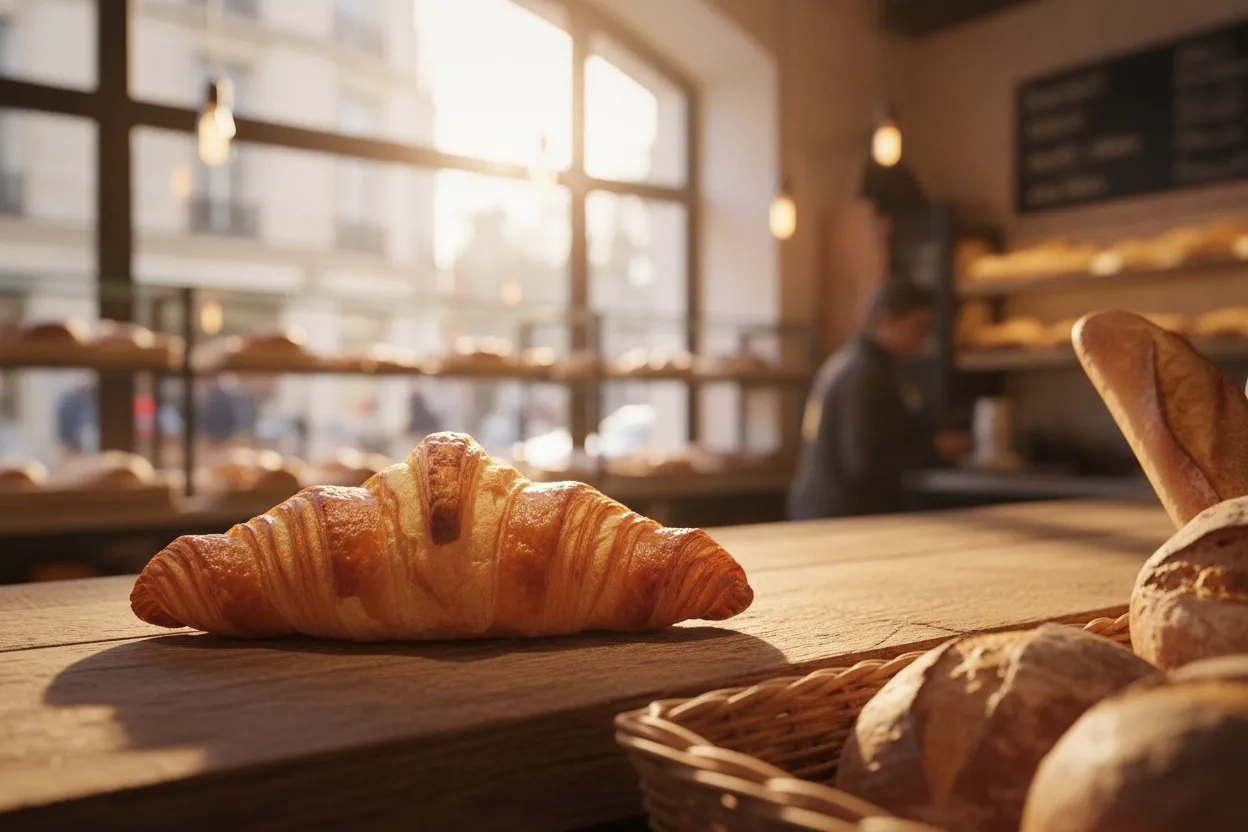
Use the uploaded croissant as the exact subject. Place it on a rustic wooden bakery counter near a large Parisian window. Rotate the croissant slightly toward the camera to showcase its flaky layers. Position a blurred basket of fresh bread partially entering from the bottom-right foreground to naturally frame the croissant without blocking it. Behind it, softly blurred bakery shelves, pastries, warm hanging lights, and customers create depth. Early morning sunlight streams through the window, illuminating the flaky texture. Shot on a Sony A7R V with a 50mm lens at f/1.8, shallow depth of field, editorial bakery photography, ultra-realistic textures.
Prompt 4: Cookies n milk
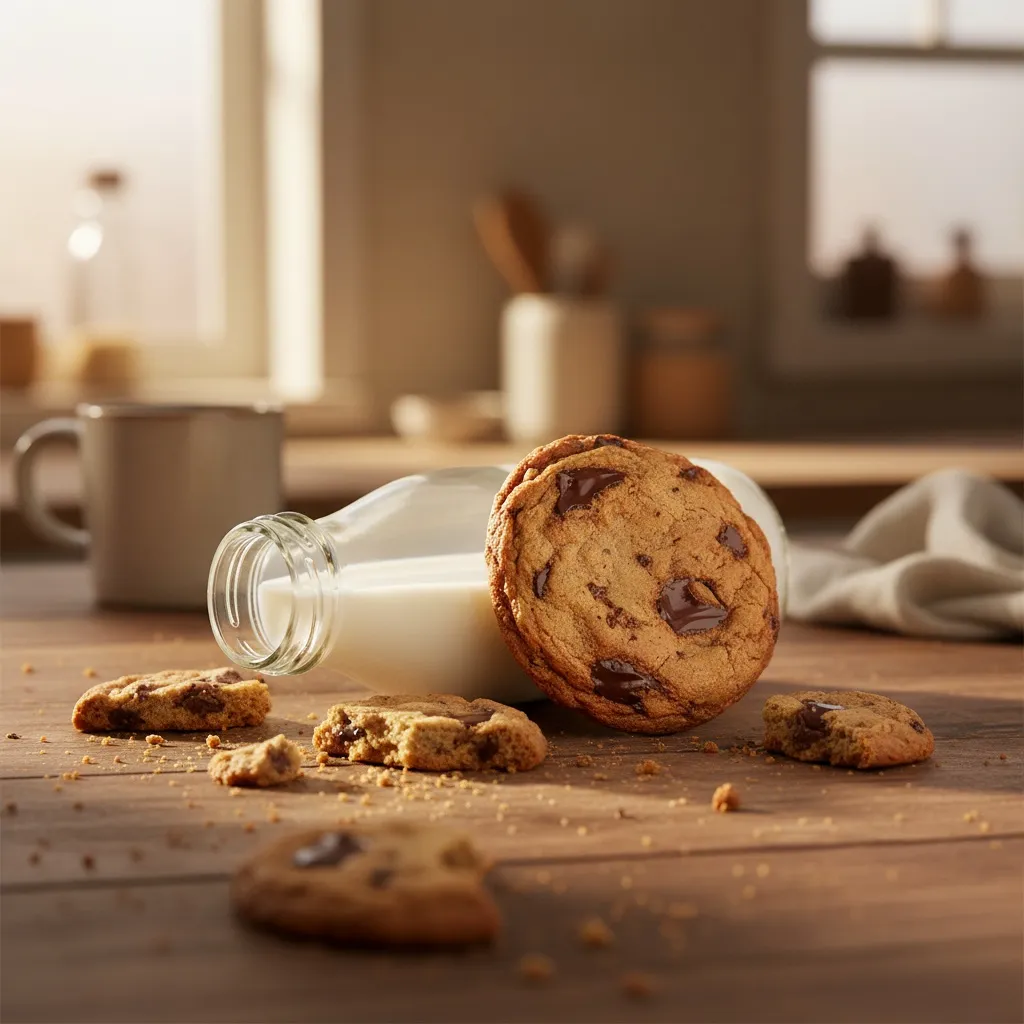
Use the uploaded cookie as the exact subject. Lean the cookie slightly against a tipped glass bottle of milk while keeping the cookie perfectly visible. Position broken cookie pieces naturally around the base with crumbs scattered across the wooden table. Allow a few crumbs to sit slightly in front of the cookie to create realistic depth. The cozy kitchen background remains softly blurred. Warm afternoon sunlight enters from the left, highlighting the crisp edges and chocolate chips. Shot using a Nikon Z8 with a 50mm lens at f/2, ultra-realistic food photography.
CATEGORY: BEVERAGES
Prompt 5: Luxury Bar
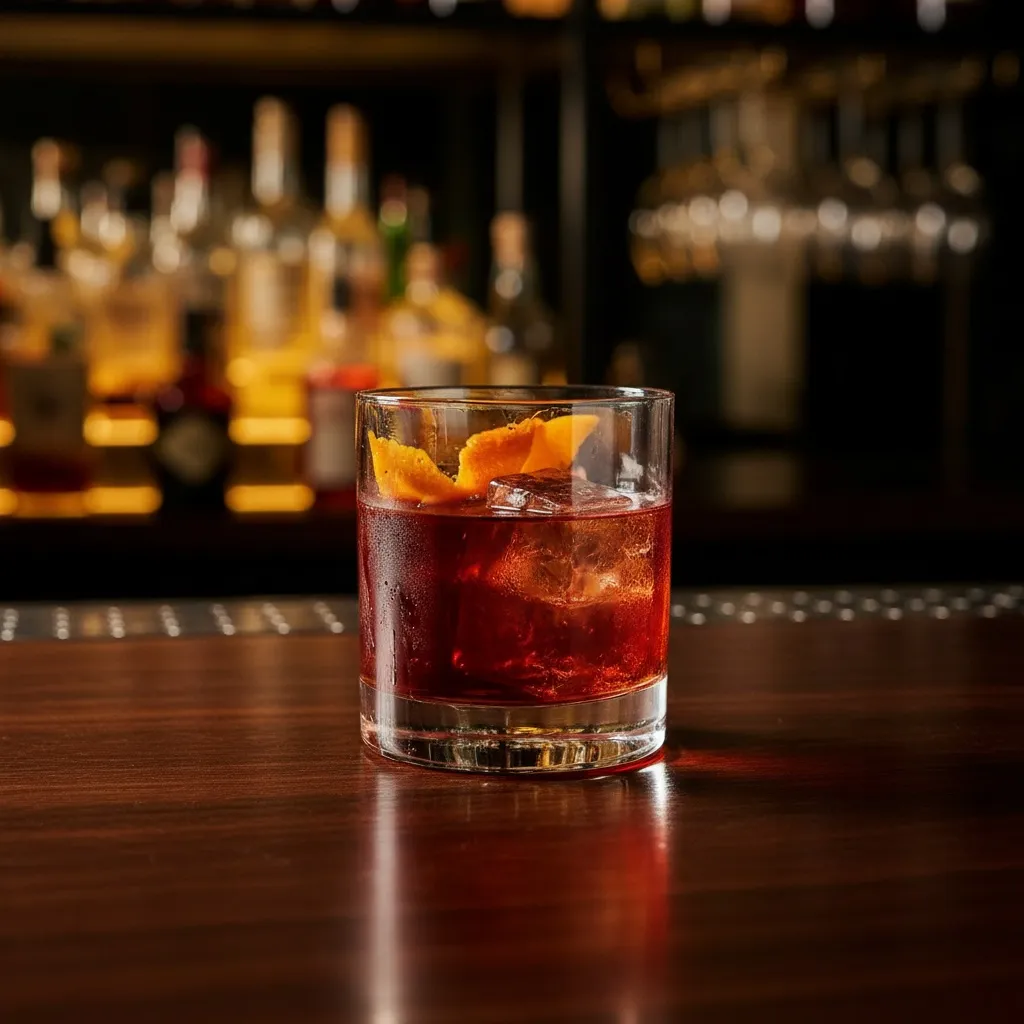
Use the uploaded beverage as the exact subject. Place the glass on a polished walnut bar counter and rotate it slightly toward the camera so the garnish faces forward. Position blurred bottles and hanging cocktail glasses behind while allowing a few foreground reflections to overlap the base of the glass. Tiny droplets of condensation run naturally down the glass. Warm amber bar lighting creates rich reflections inside the drink. Captured on a Sony FX3, 85mm lens, f/1.8, cinematic beverage advertising.
Prompt 6: Tropical Shack
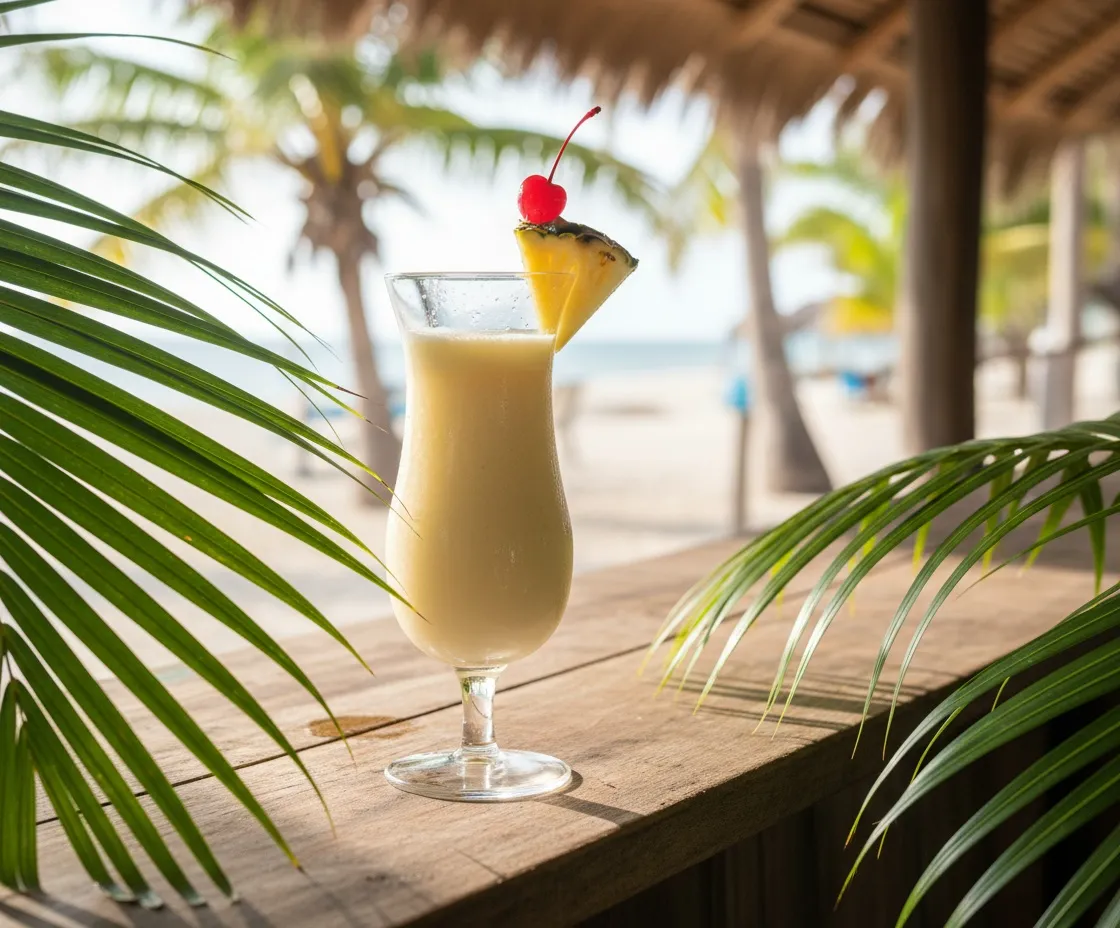
Use the uploaded beverage as the exact subject. Place it on a weathered wooden counter inside a tropical juice shack. Lean the drink slightly toward the camera. Palm leaves enter from both sides of the foreground, partially overlapping the lower corners of the glass. The beach and palm trees remain heavily blurred behind. Bright tropical sunlight creates realistic condensation and glowing fruit colors. Canon EOS R5, 50mm lens, commercial beverage photography.
Prompt 7: Coffee in Mountains
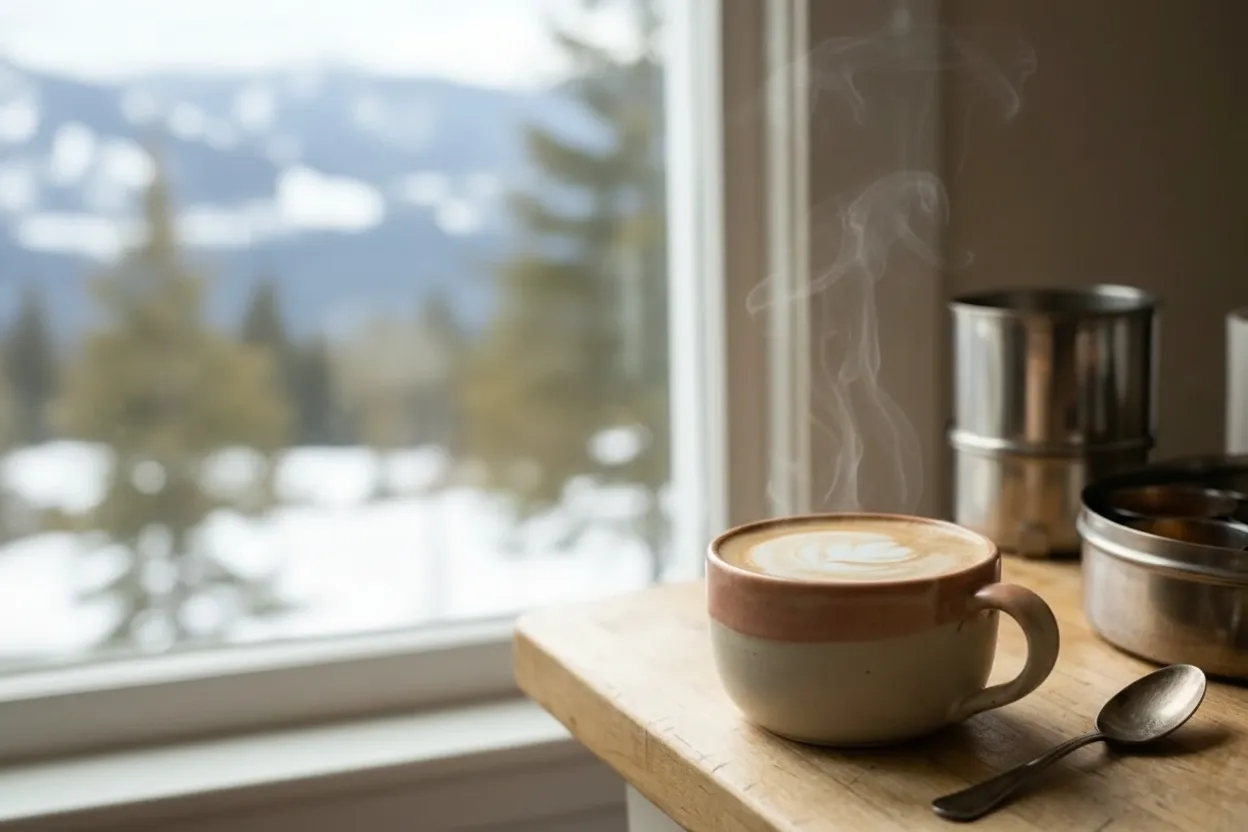
Use the uploaded coffee as the exact subject. Place the mug on a rustic wooden table beside a large cabin window overlooking snowy mountains. Steam rises naturally from the mug while slightly drifting toward the blurred window. Keep the mountains completely out of focus. Morning sunlight enters from the side, creating soft highlights across the ceramic mug. Nikon Z8, 85mm lens, shallow depth of field, cozy editorial café photography.
Prompt 8: Neon Café
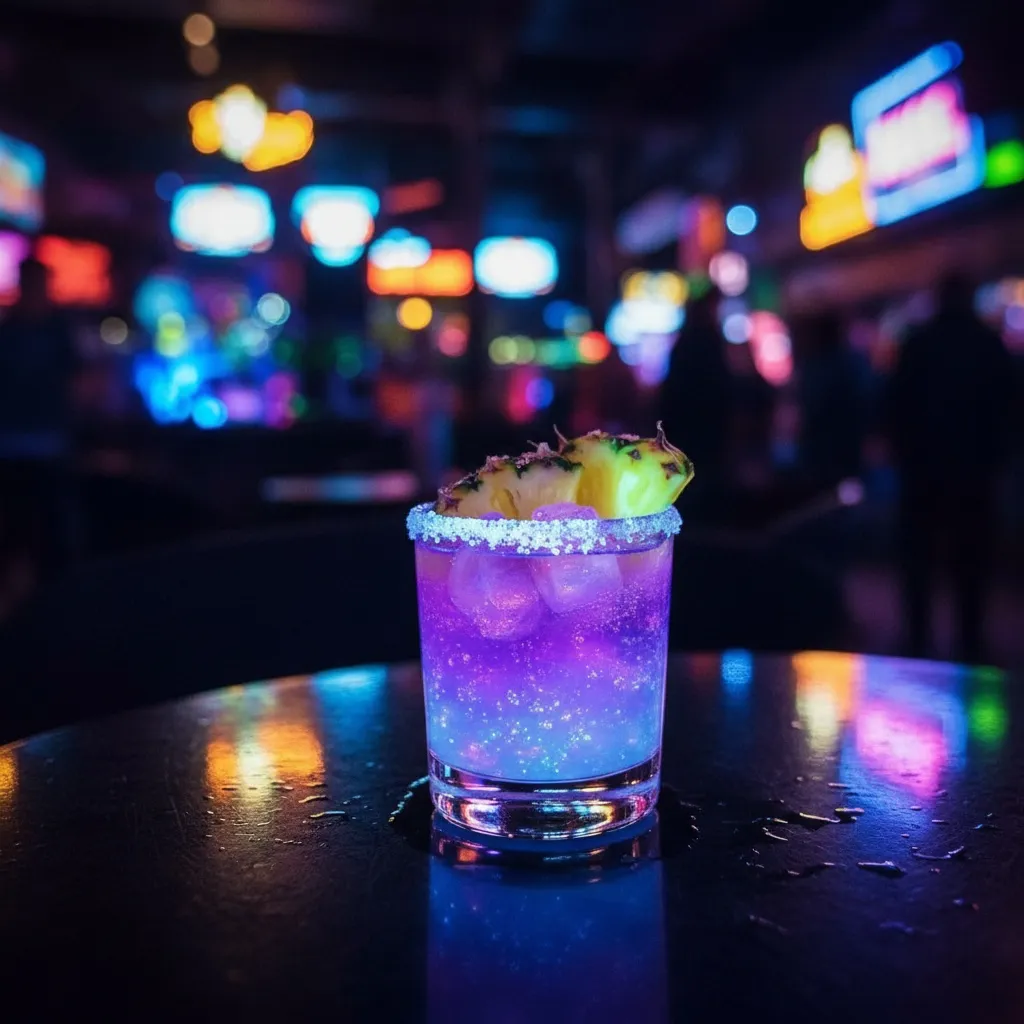
Use the uploaded beverage as the exact subject. Place it on a glossy café table. Tilt the glass slightly toward the viewer. Neon reflections dance across the surface while colorful lights and signs stay heavily blurred in the background. Tiny ice cubes glisten naturally. Shot on a Sony A7R V with an 85mm lens at f/1.4, cinematic nightlife beverage campaign.
Prompt 9: Splash Advertisement
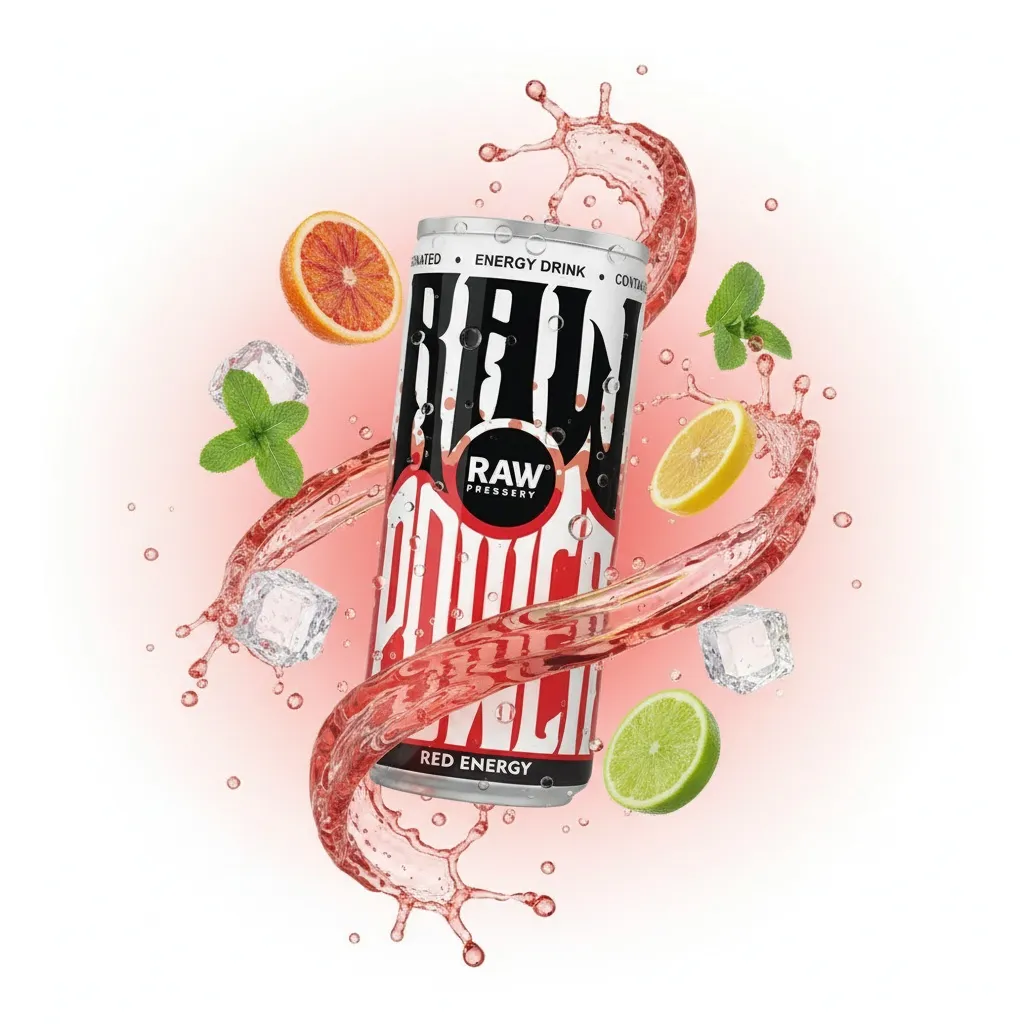
Use the uploaded beverage as the exact subject. Freeze the drink mid-splash with realistic liquid arcs wrapping around the glass. Floating citrus slices, mint leaves, ice cubes, and water droplets orbit naturally around the beverage. Some droplets partially overlap the glass to blend the composite. Keep the background clean with a soft studio gradient. Captured using a Hasselblad X2D, 80mm lens, ultra-premium beverage advertising.
CATEGORY: INDIAN FOOD
Prompt 10: Street Food Stall
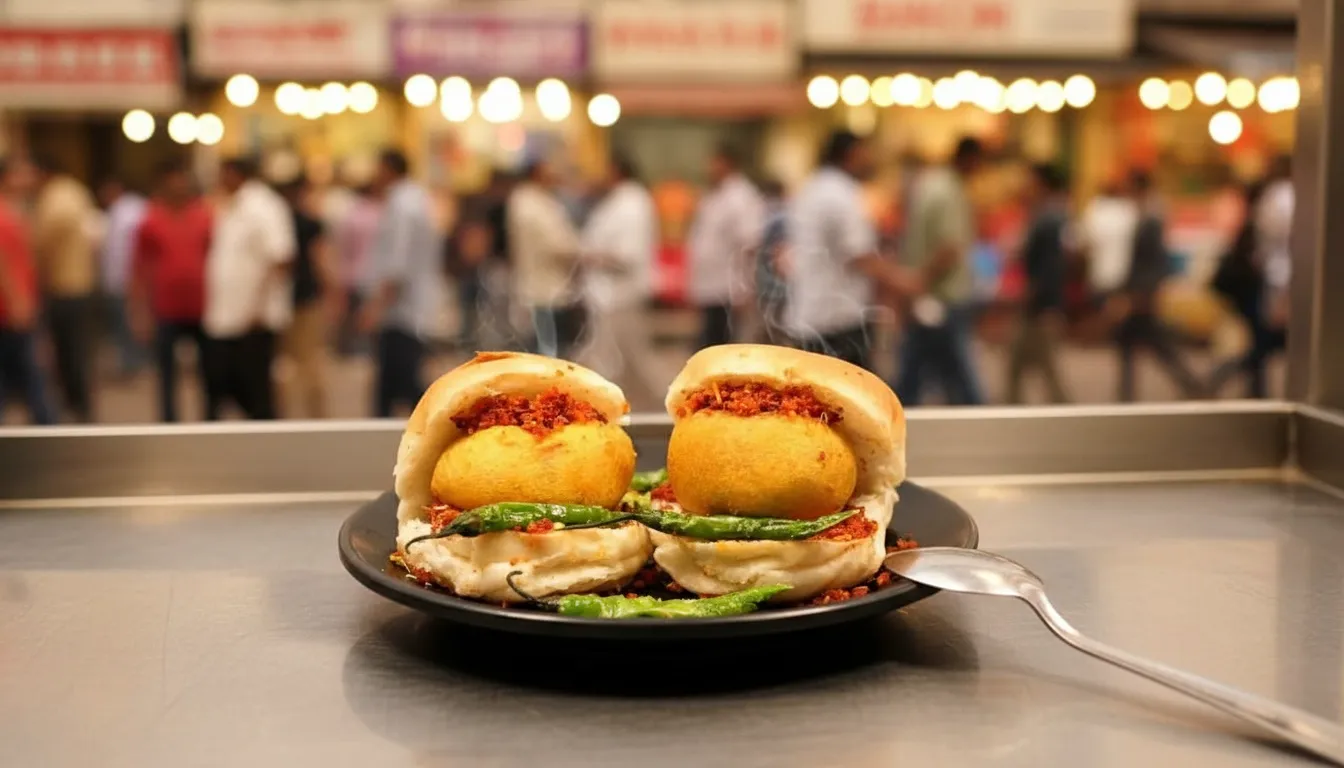
Use the uploaded Indian food as the exact subject. Place it on a stainless steel street food counter in a busy Indian market. Tilt the plate slightly 10–15 degrees toward the camera so toppings naturally fall into view. Add a small steel spoon entering from the right foreground, partially overlapping the plate edge to create depth. Steam rises subtly from the dish. Background shows blurred crowd movement, colorful signboards, and lights with strong bokeh so nothing distracts from the food. Warm evening ambient light mixed with stall bulbs creates realistic highlights. Shot on Canon EOS R5, 50mm lens, f/2, shallow depth of field, hyper-realistic street food photography.
Prompt 11: Dining in a Palace
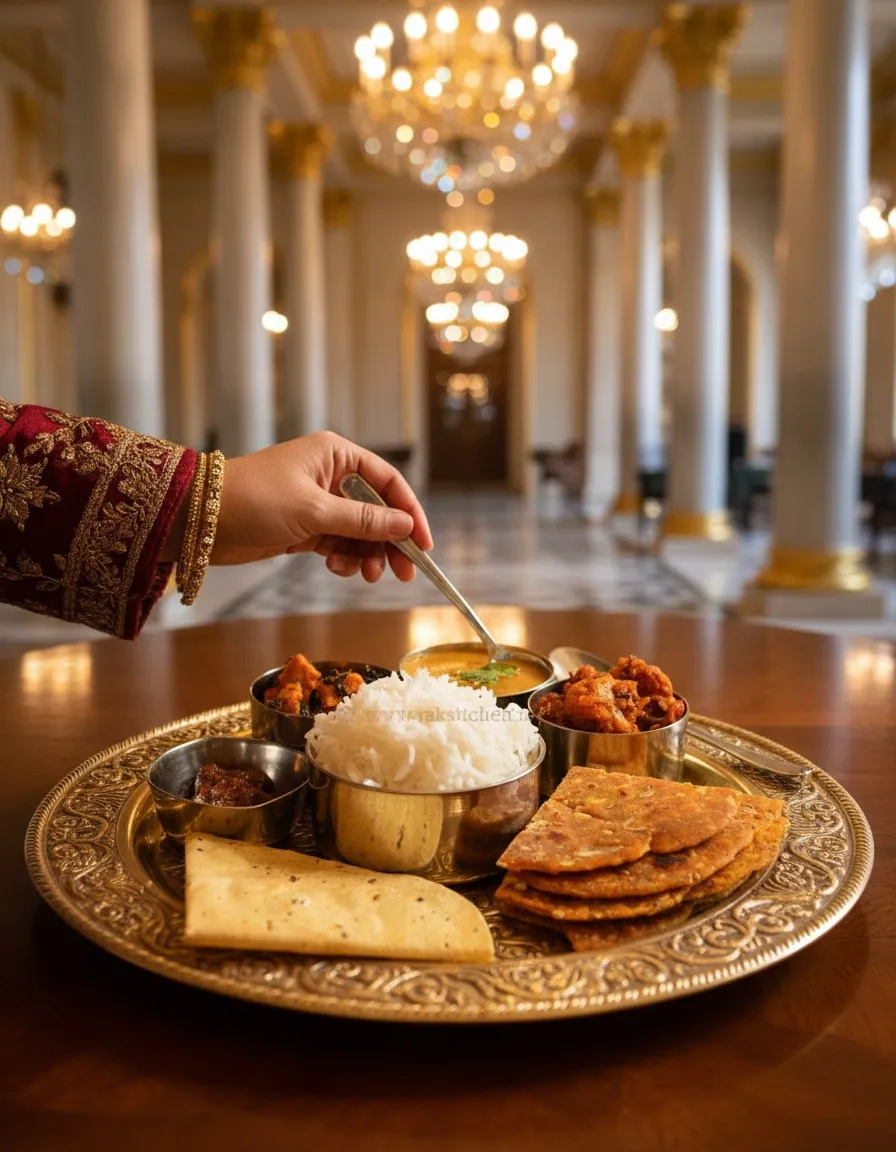
Use the uploaded Indian food as the exact subject. Place it on an ornate brass thali with intricate engravings inside a luxury palace dining hall. Tilt the plate slightly forward (approx 10 degrees) for better visibility of textures and gravy. A partially visible hand in elegant traditional attire enters from the left foreground, gently holding a spoon near the edge of the dish without blocking it. Background remains softly blurred with golden chandeliers and royal pillars. Warm tungsten lighting creates rich highlights on spices and oils. Captured on Hasselblad X2D, 85mm lens, f/2.8, cinematic luxury food photography.
CATEGORY: PIZZA
Prompt 12: Exploding Ingredients
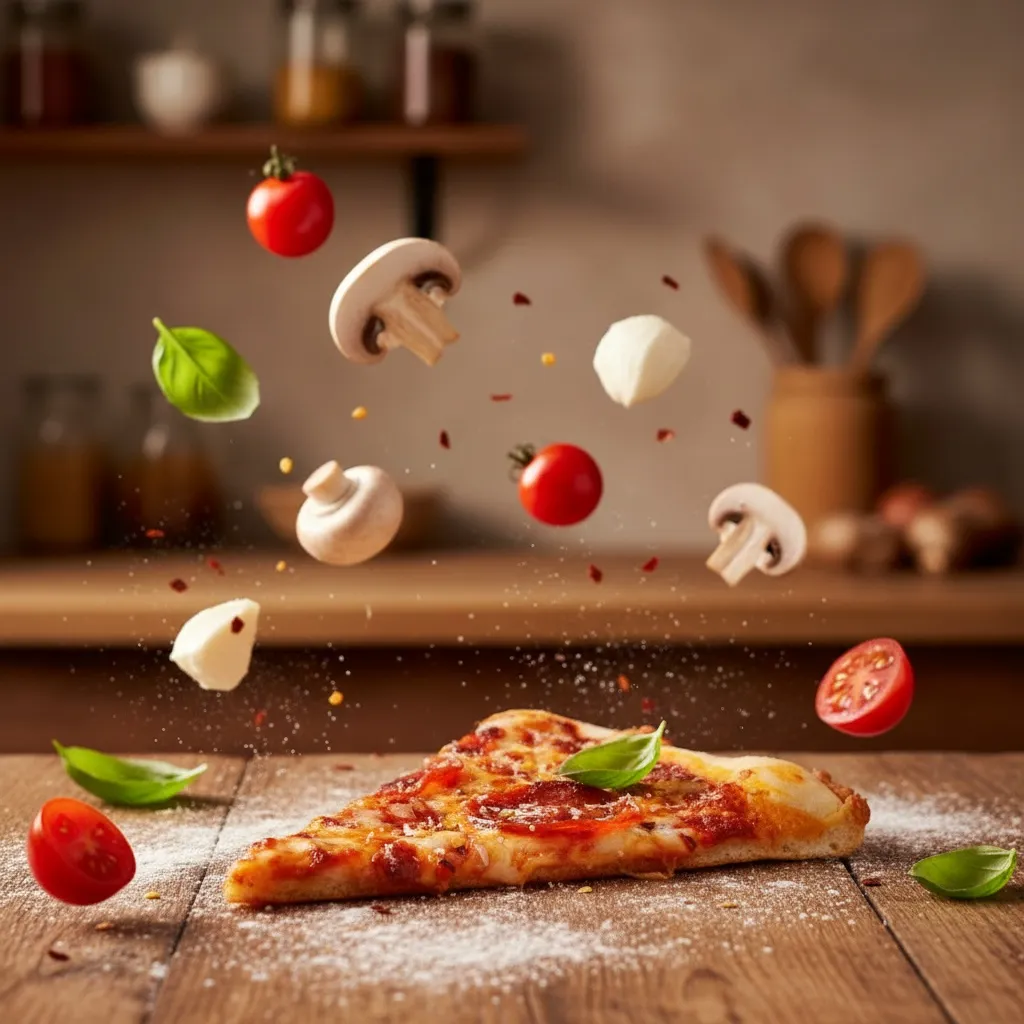
Use the uploaded pizza as the exact subject. Place it on a rustic Italian kitchen table. Slight forward tilt to emphasize toppings. Floating ingredients—basil leaves, cherry tomatoes, mushrooms, chili flakes, mozzarella shreds—surround the pizza with some elements partially landing on the crust for realism. A few flour dust particles sit in the foreground. Background remains softly blurred with warm kitchen lighting and wooden shelves. Captured on Canon EOS R5, 85mm lens, f/2, ultra-detailed commercial food advertising photography, hyper-realistic textures.
Prompt 13: New York Pizza Slice
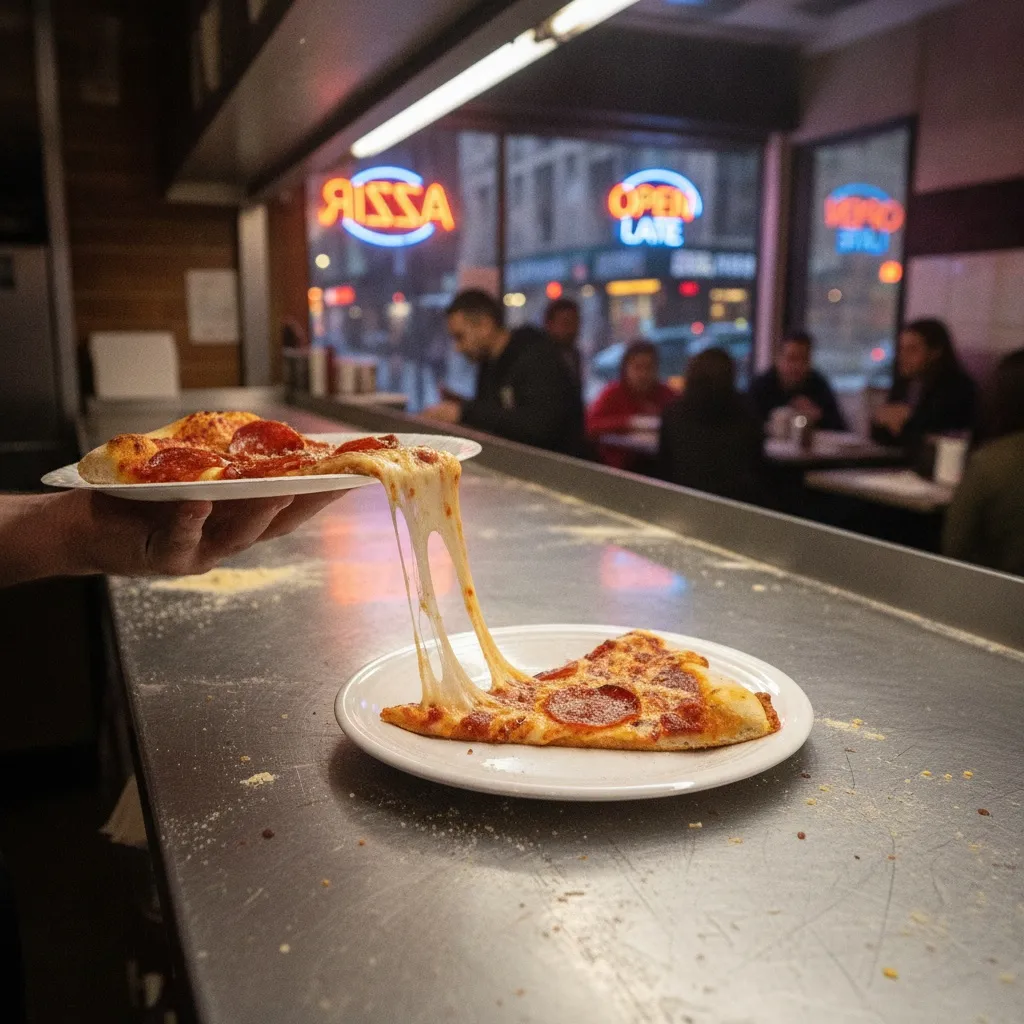
Use the uploaded pizza as the exact subject. Place it on a classic New York pizza shop counter. Slight angle tilt (10–15 degrees) toward camera. A hand holding a pizza slice enters from the left foreground with melted cheese stretch connecting to the main pizza, creating natural depth overlap. Background shows blurred neon signs, customers, and city street through glass windows with heavy bokeh. Mixed indoor fluorescent and street lighting creates realistic urban contrast. Sony A7R V, 50mm lens, f/1.8, cinematic street food photography.
These prompts work for everyone but it’s important to learn how they work and how you can personalize them.
Related: 25 Creative Product photoshoot ideas
How to write your own prompt
There is an actual recipe. Miss one ingredient and the whole dish falls flat. Here are the five you cannot skip:
1. Background (the world around your food)
It could be plain studios, busy streets, interior of fine dining restaurants, dish in a model’s hands Depending on the food background plays an important role in telling a stpry A pizza on a busy street in nyc vs sittiung in naples italy
Will have very different impact
Same pizza, two different backgrounds, two completely different stories.
2. Surface (not to be confused with background)
What your food is placed on. It can be plates, slates, countertops, chopping boards, napkins, trays.
One rule: the surface cannot be more interesting than the food. For example: Don’t place alfredo pasta on a white plate.
The food has to be visible, not camouflaged.
3. Lighting (a touch’o class)
There’s a whole psychology to it. You know a salad looks fresh and healthy under soft natural light. Nobody wants to see a salad bowl lit like a nightclub. Change the light of photos accordingly.
Some lighting ideas for maximum impact:
- Natural window light → fresh, honest, healthy. Works for salads, breakfast, clean eating.
- Warm golden hour light → nostalgic, comforting, indulgent. Works for pasta, baked goods, comfort food.
- Dramatic side lighting → cinematic, premium, intense. Works for steak, chocolate desserts, cocktails.
- Soft diffused studio light → clean, commercial, trustworthy. Works for product shots, menus, delivery apps.
- Candlelight / warm low light → intimate, romantic, luxurious. Works for fine dining, wine, date-night food.
- Harsh overhead light → clinical and unflattering. Works for almost nothing. Avoid.
4. Angle (same dish, completely different photo)
Pick the angle that shows off what the dish is actually proud of:
- Overhead → soups, bowls, pizzas, flat lays
- 45-degree → most plated dishes, pasta, desserts
- Eye-level → tall burgers, layered drinks, stacked pancakes
And yes, AI can change the angle of a photo without changing how the food looks. Smart, isn’t it?
5. Props (makes people taste the food)
Everything in the frame that isn’t the food:
- Steam rising from a hot dish
- Fresh ingredients scattered around the plate
- A fork mid-air or a hand reaching in
- A wine glass softly blurred in the background
- Text elements like a chalkboard sign, a price tag, a restaurant name
How to use these prompts on LightX
Step 1: Upload your food photo
Upload a well-lit, in-focus photo of your food product to the AI Photoshoot tool. Use a clean base photo for the best results.
Step 2: Set the background
Do one of the following:
- Enter one of the prompts above as a text prompt to describe the background.
- Select a background preset.
Step 3: Generate and download the image
Click Generate to create your food image. If the result isn’t right, generate more variations. lts
When you’re satisfied with the image, download it.
Tips to Get the Best HD Results
✅ Start with a clean, well-lit photo. Blurry in, blurry out. No prompt fixes a bad base.
✅ Add a texture word. Steaming, crispy, glistening, melting. This is what makes food look real, not rendered.
✅ Generate variations. The first output isn’t always the best. Run 2 or 3 before deciding.
Common Mistakes to Avoid
❌ Uploading a dark or blurry photo.
❌ Writing vague prompts like “Make it look good”.
❌ Forgetting negative space. Leave space for text going on the image. Add “generous negative space” to the prompt.
Wrapping Up
A great food photo doesn’t require a full studio setup anymore. It requires a clean base shot, a specific prompt, and the right tool to bring it together.
All 13 prompts above are ready to copy and paste. Pick the category that fits your food, personalise the dish details, and generate your next food visual with LightX.
Get on WhatsApp
New image & Video workflow everyday